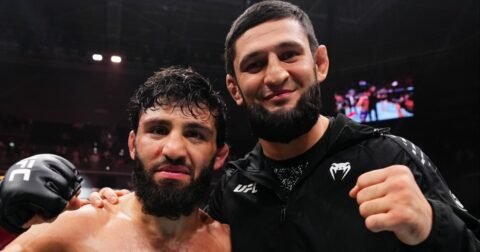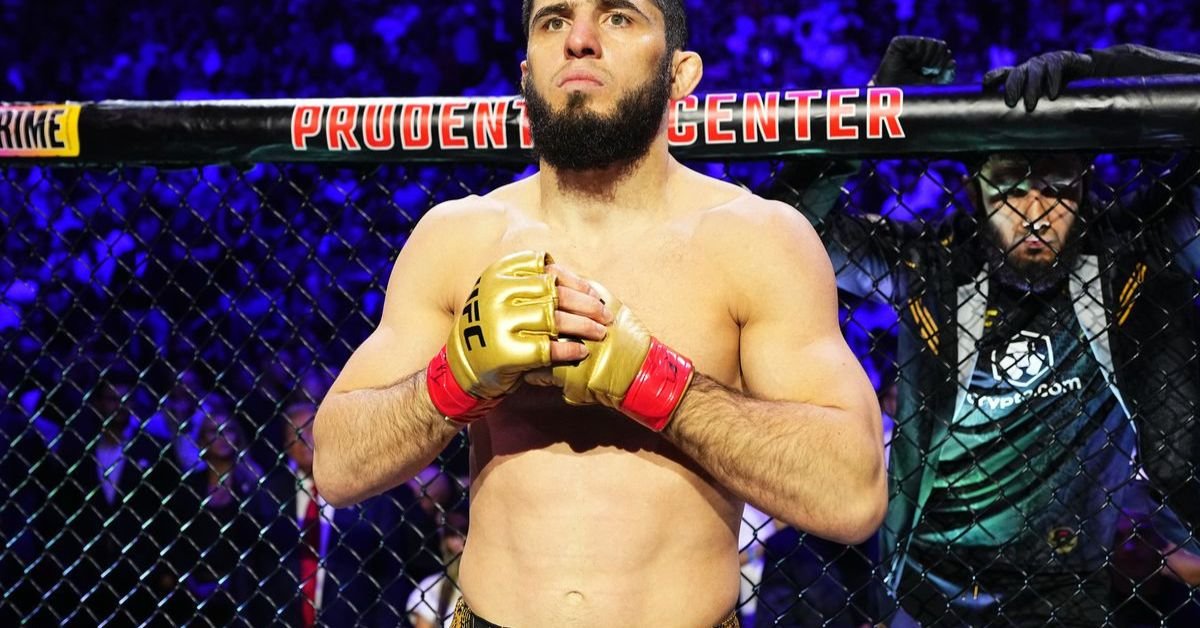
Islam Makhachev, the reigning UFC lightweight champion, is once again making headlines — not only for his upcoming title fight against Jack Della Maddalena at UFC 322, but also for his outspoken views on modern parenting. Drawing heavily from his Dagestani heritage and the strict discipline instilled by his father, Makhachev believes that traditional parenting values build stronger, more resilient individuals. As a father of three, he aims to raise his children with the same respect, discipline, and faith that shaped his own path to success — a stance that has sparked conversation well beyond the octagon.
Islam Makhachev Challenges Modern Parenting
In a world increasingly shaped by progressive parenting methods and psychological theories, Islam Makhachev takes a different stance. He believes that strict discipline, rather than permissive or emotionally lenient approaches, lays the foundation for character, respect, and perseverance. Makhachev argues that modern parenting may be too soft, depriving children of the mental toughness required to navigate life’s challenges. Reflecting on his own upbringing in Dagestan, he emphasises that the firm guidance of his father — often viewed as harsh by Western standards — prepared him not only for the UFC but also for life’s moral and ethical battles.
For Makhachev, parenting is an act of legacy. He sees discipline as love expressed through structure and accountability, not punishment. This belief aligns closely with the principles of Khabib Nurmagomedov, his mentor and long-time friend, who was similarly raised under the strict guidance of his late father, Abdulmanap. Together, they embody a Dagestani ethos that prizes honour, respect, and hard work above comfort — values that have translated directly into their championship success.
Khabib’s Lasting Influence on Makhachev
Khabib Nurmagomedov’s influence on Makhachev extends beyond fighting techniques. Both share an unshakeable belief that strong values begin at home. Under the mentorship of Khabib, Makhachev has come to see discipline as a moral compass rather than a constraint. He recalls stories of early training sessions in Dagestan where their fathers pushed them relentlessly — not out of cruelty, but to prepare them for the challenges of adulthood. These experiences, Makhachev believes, taught him humility, endurance, and self-control — qualities he hopes to instil in his own children.
While critics argue that such strict methods can harm a child’s emotional well-being, Makhachev questions whether leniency has produced better outcomes. “If we were raised this way and became champions, maybe it’s not wrong,” he muses, suggesting that modern society’s aversion to discipline may contribute to weaker resilience among younger generations.
Tradition vs Modernity: A Cultural Divide
The difference between traditional Dagestani parenting and modern Western approaches reflects a deeper cultural divide. In Dagestan, obedience, respect for elders, and adherence to faith are cornerstones of family life. Children are expected to listen, learn, and follow before they lead. In contrast, Western parenting trends often emphasise emotional expression, negotiation, and self-discovery. For Makhachev, the Western model risks sacrificing strength and responsibility in pursuit of comfort and validation.
Still, Makhachev recognises the need for balance. He believes in preserving his roots while adapting to a modern world where emotional intelligence plays an important role. His approach aims to merge old and new — encouraging his children to think for themselves while understanding that respect and discipline remain non-negotiable. It’s a philosophy that bridges generations, offering a nuanced perspective in the global discussion on parenting.
Raising the Next Generation
Looking to the future, Islam Makhachev envisions his children carrying forward the values that shaped him, whether or not they follow in his footsteps into combat sports. He plans to introduce them to judo, sambo, and MMA, just as his father did for him, while allowing them the freedom to choose their own path. To Makhachev, the ultimate goal is to raise strong, grounded, and respectful individuals — not just successful athletes.
He hopes that his blend of strictness and compassion will prepare his children for life’s inevitable challenges. In his eyes, discipline and faith are not opposing forces but complementary tools that help shape integrity, ambition, and resilience — the very traits that made him one of the most dominant fighters in UFC history.
Conclusion
As Islam Makhachev prepares for his monumental title defence at UFC 322, his thoughts on parenting reveal a deeper side of the champion. Beyond the physical battles inside the octagon, he is waging a philosophical one — against what he perceives as the excess leniency of modern parenting. Through his actions and beliefs, Makhachev seeks to prove that tradition and strength, when balanced with understanding and care, can produce not only great fighters but great people.
Whether or not his children follow him into the cage, Makhachev’s legacy will likely extend far beyond the UFC. His views on parenting serve as both a reflection of his roots and a challenge to modern ideals — a reminder that the values forged in Dagestan still hold power in shaping the champions of tomorrow.