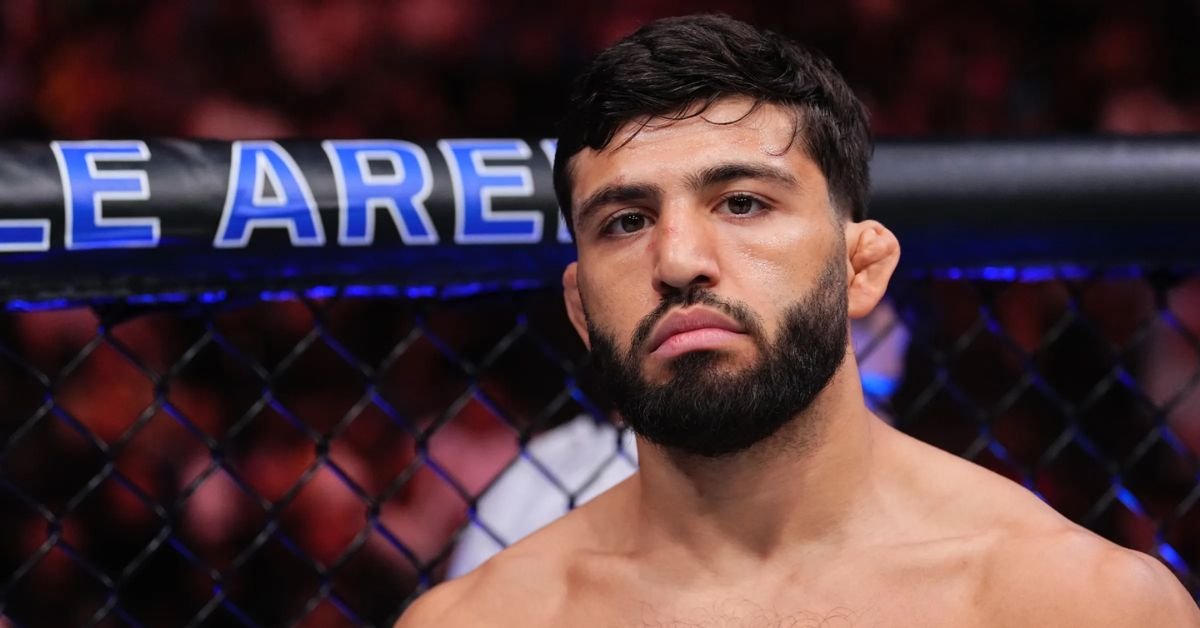
Arman Tsarukyan, a top contender in the UFC lightweight division, has made a startling revelation about fighter pay, admitting that he often fights at a loss. As he prepares to face Dan Hooker on November 22 in Qatar, this admission sheds light on the financial struggles many athletes endure in the sport. Despite a reported base pay of $150,000 per fight, Tsarukyan explained that deductions for taxes, management fees, and training costs significantly reduce his earnings, emphasising the challenges of the UFC’s pay structure and the reliance on sponsorships to supplement income.
Introduction
Arman Tsarukyan, a prominent name in the UFC lightweight rankings, is gearing up for a major showdown against Dan Hooker in the highly anticipated UFC Qatar main event. While Tsarukyan is recognised as one of the division’s top contenders, his recent candid comments about fighter pay have brought attention to the financial realities faced by many mixed martial artists.
This upcoming fight is pivotal for Tsarukyan. A victory over Hooker could earn him a title shot against Ilia Topuria, the reigning lightweight champion. However, his reflections on UFC fighter pay highlight a less-discussed side of the sport: the expenses fighters face that often leave them with minimal profit, despite competing at the highest level. Tsarukyan’s transparency underscores a broader discussion about athlete compensation in MMA and the financial challenges even elite fighters face.
Financial Realities for UFC Fighters
Tsarukyan revealed that after accounting for taxes, management fees, and training expenses, his $150,000 base pay is often substantially diminished, leaving little net income unless he secures a victory. Sponsorship deals play a critical role in supplementing fighter earnings, sometimes surpassing the payout from the fight itself. His admission brings to light the disparity between the perceived glamour of UFC earnings and the actual financial situation of many fighters.
These financial insights are significant, as they highlight the sacrifices and challenges that come with competing at the highest level. Despite being a top-ranked athlete, Tsarukyan’s experience shows that success in the octagon does not always equate to financial security.
Frequently Asked Questions
What did Arman Tsarukyan mean by saying he ‘fights at a loss’?
Tsarukyan explained that despite his official earnings, the deductions for taxes, managers, and training costs often leave him with little to no net profit, making it financially challenging to compete.
How does Arman Tsarukyan’s earnings break down after a fight?
After paying taxes, management fees, and coaching expenses, a significant portion of his base pay is allocated elsewhere, resulting in minimal income unless he secures a win bonus.
What are the implications of Tsarukyan’s claims about UFC fighter pay?
His remarks highlight the financial struggles faced by many fighters, emphasising the need for improved compensation structures within the UFC.
Why is Arman Tsarukyan’s upcoming fight against Dan Hooker significant?
A victory against Hooker could secure a title shot against Ilia Topuria, making the fight crucial for both his career trajectory and earning potential.
How does sponsorship factor into Tsarukyan’s overall income as a fighter?
Sponsorship deals play a pivotal role in increasing a fighter’s overall earnings, often surpassing the official fight purse in value.