The issue of eye pokes in MMA is a persistent and troubling one. Fans, fighters, and regulators alike lament how a simple misflick of a finger can shift the momentum of a fight, inflict serious injury (or worse), and complicate outcomes. One of the proposed solutions has been the redesign of the gloves, but how effective is this change?
The Problem of Eye Pokes
Eye pokes, intentional or not, happen more often than many casual observers realise. According to one compilation of data, there were 23 eye-poke incidents in 233 UFC bouts, approximately one eye poke every ten fights. Worse, such fouls often disrupt rhythm, force medical time-outs, or even lead to no-contests or disqualifications. Clearly, the sport’s standard four-ounce open-fingered glove is a contributor.
Veteran fighter and trainer Matt Brown remarked that the way the glove is constructed “effectively forces fighters to have their fingers extended,” increasing the likelihood of eye pokes. Similarly, commentators, including Daniel Cormier, have said, “You’re never going to find something that works perfectly… eye pokes will still happen.” The question, then, is not whether gloves can eliminate the problem entirely, but whether they can reduce the incidence and severity of these fouls.
The Glove Redesign: What Changed
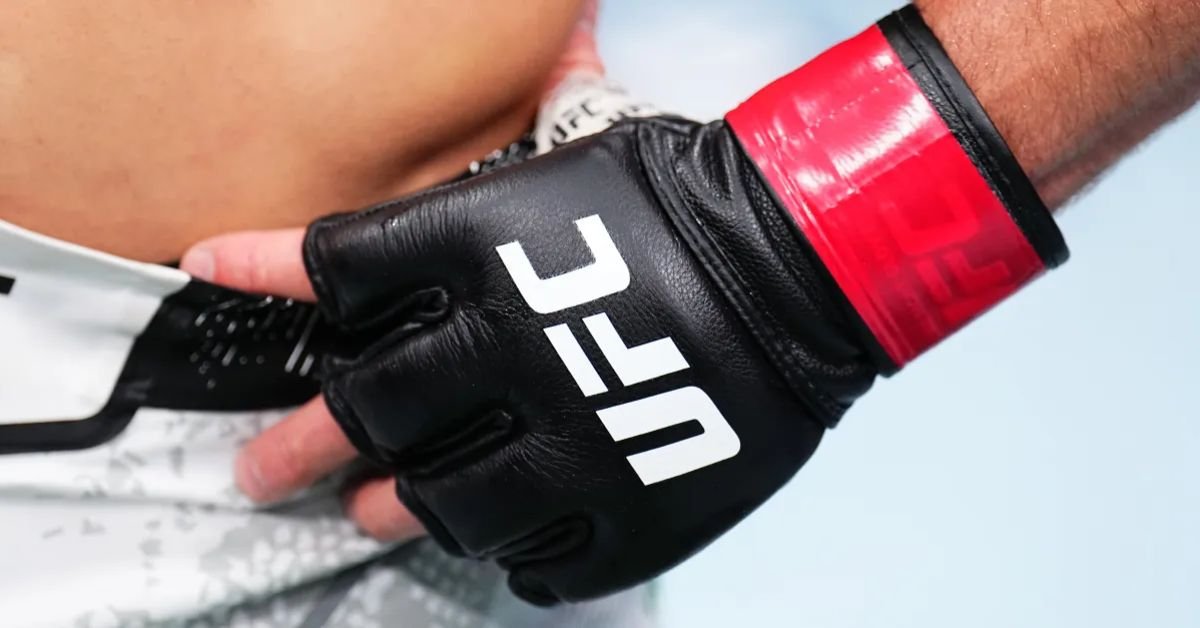
In April 2024, the UFC announced a new glove design engineered by VICIS RDI to address hand injuries and eye pokes. Key features included:
- A slimmer profile and reduced overall weight (3–4.9 oz), allowing a more natural hand closure.
- Angled or “scooped” finger holes and removal of bulky finger binding, enabling a true fist formation rather than splayed fingers.
- Padding was added to the side edges of the index and pinky fingers to reduce bone injuries and limit finger protrusion.
- Repositioned seams on the palm side for reduced abrasiveness and a cleaner overall profile.
- A new wrist-locking system to minimise glove grabbing, improving overall safety.
UFC’s research indicated that eye pokes occur on average once every 14 fights and cause delays averaging about 50 seconds. The hope is that this new glove design will lead to fewer interruptions, fewer fouls, and a cleaner sport.
Does the Redesign Work? The Evidence So Far
Early signs are mixed. The glove redesign is clearly an improvement; it addresses many mechanical vulnerabilities like exposed fingertips and the inability to form a true fist. It’s a step in the right direction.
However, several experts remain unconvinced that the change will drastically reduce eye pokes. Some analysts have noted that the new glove “does not fully address eye pokes, a leading cause of penalties.” Others, like Matt Brown, argue that the old glove design encouraged these fouls more than it prevented them.
Meanwhile, medical and regulatory bodies such as the Association of Ringside Physicians have recommended curved-finger glove designs for further reduction, implying that even the new model is imperfect.
In short, the redesign may reduce the frequency of accidental eye pokes, but it does not eliminate them, especially when fighter behaviour and enforcement remain inconsistent.
Implications for Fighters, Promotions, and Bettors
For fighters, the improved glove means a slightly reduced risk of finger-based fouls or eye-injury interruptions, potentially improving fight flow and fairness. In terms of online betting markets, it supports cleaner bouts, fewer no-contests or disqualifications, and less controversy.
However, for online bettors, the change doesn’t remove risk. Eye pokes and fouls still occur, and they can end or alter fights via point deductions, no-contests, or disqualifications. As such, betting odds must still account for the possibility of unexpected outcomes.
Bettors should therefore factor in:
- Fighters with a history of poking or being poked.
- Styles involving open-hand parrying or long-range striking (higher risk).
- Referee tendencies regarding fouls and point deductions.
- Any equipment changes that might influence fighter behaviour.
Conclusion
The redesign of the UFC glove represents a welcome evolution. It fixes clear flaws in traditional MMA gloves, allowing fighters to close their fists more naturally and offering better finger protection. In doing so, it likely reduces some accidental eye pokes.
Yet the evidence shows that glove design is only part of the solution. Fighter discipline, officiating standards, and ringcraft also play crucial roles. As Daniel Cormier observed, “You’re never going to find something that works perfectly.” Eye pokes will still happen, hopefully less often.
For the betting community, the takeaway is simple: equipment upgrades matter, but they don’t eliminate unpredictable elements like fouls or disqualifications. The gloves are better, but the sport remains as unpredictable as ever.