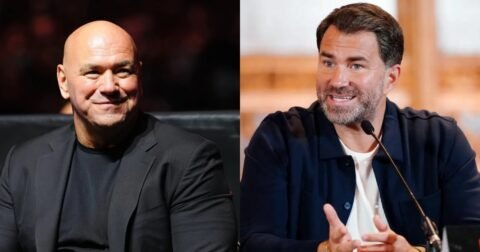
Dana White shocked even his closest allies when he admitted he’s “completely removed” himself from the gritty back-and-forth of UFC contract talks. After decades of personally shaking hands with every rising contender and established champ — from Chuck Liddell’s early dominance to Ronda Rousey’s record-breaking ascent — White is now focusing on the glitzier side of the fight world, leaving deal-making to his team.
Dana White’s evolution: From contract table to centre stage
Back in the 2000s, Dana White wasn’t just the face of the UFC—he was its engine room. Fans remember him pacing hotel lobbies at UFC events, phone glued to his ear as he haggled over fight purses and incentives with Matt Hughes or engineered Conor McGregor’s blockbuster bouts. But after Endeavor sealed the billion-dollar sale in 2016, the company’s structure changed overnight.
“We used to be a small business,” White chuckled during his recent interview on SPEED on Fox. “Now I get to do the fun stuff.” That “fun stuff” ranges from overseeing Zuffa Boxing and Power Slap to diving headfirst into NASCAR partnerships and TKO Group board meetings. Negotiating fighter contracts? That’s officially off his to-do list.
Hunter Campbell steps up as UFC’s deal-making architect
Meet Hunter Campbell, the UFC’s Chief Business Officer, now at the forefront of every fighter conversation. Campbell has quietly inherited the role White once relished, sliding into negotiations that involve everything from performance bonuses to pay-per-view points. Sources close to the top brass say Campbell’s legal background and business acumen have made him an ideal fit for managing a roster that keeps expanding by dozens each year.
Fighters across weight classes have already noticed the shift. “It’s more professional, streamlined,” an insider says. Instead of waiting on Dana to pick up the phone, contenders are now dealing with a dedicated team that cuts through red tape. That means faster contract turnarounds—and potentially more clarity around clauses and incentives.
How fighters could benefit from the new negotiating era
With White stepping aside, UFC athletes may see increased transparency in their deals. Gone are the days of chasing the CEO for a last-minute bump; Campbell’s office runs strictly by protocol. That means clearer timelines for salary raises and quicker resolutions if disputes arise.
Veterans like Donald “Cowboy” Cerrone, notorious for spending every cheque on boats and jet skis, might find themselves focusing more on training than contract reminders. At the same time, up-and-comers can expect a more formal process—potentially boosting their leverage when discussing sponsorship carve-outs or performance-based pay.
Cowboy and his peers have always thrived on spontaneity, but now they’ll have to navigate a system built for consistency. Ultimately, this structure could pave the way for better athlete representation and even spark conversations about collective bargaining down the line.
Despite the changes behind the scenes, Dana White’s passion for the fight game remains undiminished. He’ll still appear at major UFC events, headline global media tours, and champion marquee matchups—he’s just handed off the negotiation playbook. For fighters and fans alike, it marks a new chapter in the promotion’s storied history.
FAQ
Why did Dana White stop negotiating fighter contracts?
After UFC’s 2016 sale to Endeavor and TKO Group restructuring, White chose to focus on broader business ventures and media projects. He felt negotiating contracts had become less enjoyable and handed off the role to streamline processes.
Who handles UFC contract talks now?
Hunter Campbell, the UFC’s Chief Business Officer, leads negotiations. His legal expertise and dedicated team provide fighters with a more professional and timely contract experience.
Will this change affect fighter pay and bonuses?
With a formalised negotiating system, fighters could see clearer terms around pay raises and performance bonuses. A structured process often means faster decisions and fewer surprises in contract clauses.
How might this shift impact up-and-coming talent?
New fighters can expect quicker contract turnarounds and more transparent negotiations. That could improve their leverage when discussing sponsorship deals or future bout agreements.
Is Dana White still involved in UFC’s operations?
Yes, White remains UFC’s President and primary face of the brand. He’s active in marketing, event promotion, and ventures like Power Slap and Zuffa Boxing, but no longer delves into the day-to-day contract details.