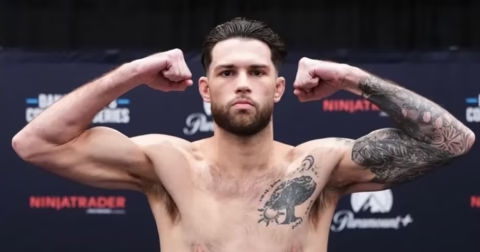
In a candid discussion on the _OverDogs Podcast_, Joe Pyfer tackled the sentiment that the MMA fanbase has become too sensitive, sharing his struggles with harsh online criticism after losses. He emphasized that fans often lack genuine empathy for fighters, pointing out the disparity between perceived affection on social media and the reality of public opinion. Meanwhile, Joaquin Buckley highlighted his own resilience, asserting that true confidence does not rely on fan approval, but rather on the commitment to training and fighting, regardless of the external noise.
Joe Pyfer on Raising Children Too Gently
On the ‘OverDogs Podcast’, Joe Pyfer discussed the implications of how American children are raised today, particularly emphasizing the lack of resilience instilled in young boys. He blamed societal shifts, including confusion around gender identity, for the diminished toughness seen in men today. Pyfer’s assertion highlights a concern that nurturing too gently may leave children ill-prepared for the rigors of adulthood.
Pyfer’s perspective suggests a growing disconnect between traditional values of toughness and modern parenting practices. He believes that the current landscape promotes a level of fragility that affects not only individual character but also societal expectations, leading to a generation that might struggle under pressure. Therefore, he sees the need for nurturing resilience and fortitude as essential traits in raising children.
Joe Pyfer’s Take on MMA Fanbase Sensitivity
When Joe Pyfer was asked if the MMA fanbase has become too sensitive, he didn’t hold back in expressing his frustrations. He described a stark reality where online commenters are indifferent to a fighter’s struggles, dismissing them with harsh judgments. Pyfer’s experiences reveal a culture where emotional resilience is tested constantly, especially after losses, contrasting with the aloofness of many fans who expect a fighter to always perform at their peak.
This sentiment resonated deeply with Pyfer, who lamented that even after battling serious health issues during fights, fans were often quick to criticize rather than support. He articulated the harshness of the MMA community, suggesting that while fighters put their lives on the line, the fans frequently neglect to acknowledge the bravery required to compete. This dynamic sheds light on the emotional toll that the constant scrutiny takes on fighters and indicates a broader issue of mental health awareness within the sport.
The Role of Social Media in Fighter Support
Joe Pyfer criticized social media for creating a facade of support that often vanishes in the face of hardship. He emphasized that online interactions lack genuine empathy and that many fans fail to understand the sacrifices fighters make. This commentary highlights a crucial aspect of fighter mental health, indicating that while social media can connect fans and fighters, it can also expose them to relentless negativity.
This disconnection that fighters feel is exacerbated by the unrealistic expectations set by glimpses into their lives shared online. As Pyfer noted, the affection portrayed on social media is often superficial, failing to recognize the true essence of what it means to step into the octagon. In this way, he not only critiques fan interaction but also calls for greater awareness within the MMA community regarding the complexities of athlete experiences.
Joaquin Buckley’s Perspective on Confidence
Joaquin Buckley weighed in on the issue of fan appreciation, revealing that his confidence never hinged on public validation. He explained that for fighters like him, the focus remains on personal progress and intrinsic motivation rather than external applause. This mindset is crucial in an environment where fighters can face harsh criticism following a loss, highlighting the importance of internal fortitude.
Buckley’s philosophy extends into the mental framework fighters must adopt to withstand the pressures of competition. He stated that many fans only show support when a fighter is winning, illustrating the fickleness of public opinion. For him, the journey is more significant than any fleeting compliments, as it shapes character and resilience in the face of adversity.
Ignoring the Trolls: Buckley’s Advice
In discussing the impact of online negativity, Buckley advised fellow fighters to disengage from harmful comments made by online trolls. He suggested that many fans, who have never stepped into the octagon, wouldn’t understand the dedication required to train and perform at such a high level. This insight serves as a reminder that external opinions often lack the context of a fighter’s journey and sacrifices.
He encouraged fighters to focus on their craft rather than the criticism that may come from armchair commentators. By doing so, Buckley believes they can maintain a healthier mindset and better mental health despite the surrounding noise. His approach champions self-reliance, showing that to thrive, fighters must prioritize their journey over public perception.
Joe Pyfer and Mental Health After Loss
Following his defeat to Jack Hermansson, Joe Pyfer opened up about the toll that negative fan interactions took on his mental health. He recounted feeling initially welcomed into the UFC family, only to be met with a barrage of hurtful comments after a setback. This experience led him to reassess his relationship with fans, concluding that investing emotional energy in online narratives could be detrimental to his well-being.
Pyfer’s journey highlights the psychological challenges fighters face when navigating the highs and lows of public support. His candidness about the emotional pain stemming from fan reactions serves as a poignant reminder of the need for compassion within the MMA community. By advocating for mental health awareness, he urges supporters to reflect on the profound impact their words can have on athletes.
Conclusion
The discussions by Joe Pyfer and Joaquin Buckley today illustrate the complex dynamics between fighters and their fanbase, shedding light on the emotional toll that comes with competing in the spotlight of the MMA community. With social media amplifying both support and criticism, it has become essential for fighters to cultivate mental resilience and inner strength.
As the MMA fanbase continues to grow, the conversation about fighter mental health becomes increasingly important. Advocating for empathy and understanding can foster a more supportive environment that recognizes the personal journeys of these athletes beyond the ring.
Frequently Asked Questions
What are Joe Pyfer’s views on the sensitivity of the MMA fanbase?
Joe Pyfer believes the MMA fanbase has become overly sensitive, asserting that many fans prioritize their own opinions over a fighter’s actual struggles and emotions.
How does Joe Pyfer feel about the support from MMA fans after a losing fight?
He feels that fans often abandon fighters after a loss, showing insensitivity by making harsh comments instead of offering genuine support.
What impact does social media have on MMA fighters according to Joe Pyfer?
Pyfer argues that social media creates a facade of affection that can be misleading, as many fans don’t truly understand the challenges fighters endure inside and outside the cage.
What advice does Joaquin Buckley give to fighters regarding feedback from fans?
Buckley advises fighters to disregard negative comments from online trolls, emphasizing that those critics are unlikely to ever face the same challenges in the octagon.
How does Joaquin Buckley maintain confidence amidst fan criticism?
He insists that his confidence doesn’t come from fan approval and highlights the importance of focusing on personal performance rather than external validation.